
Takeaways
- A flexible wellness room saves space by supporting multiple activities without permanent fixtures.
- Smart storage and lighting choices prevent clutter and keep the room calming.
- Durable, natural materials balance performance with comfort.
- Planning for change ensures the space stays useful as your needs evolve.
Why a Multipurpose Wellness Room Works
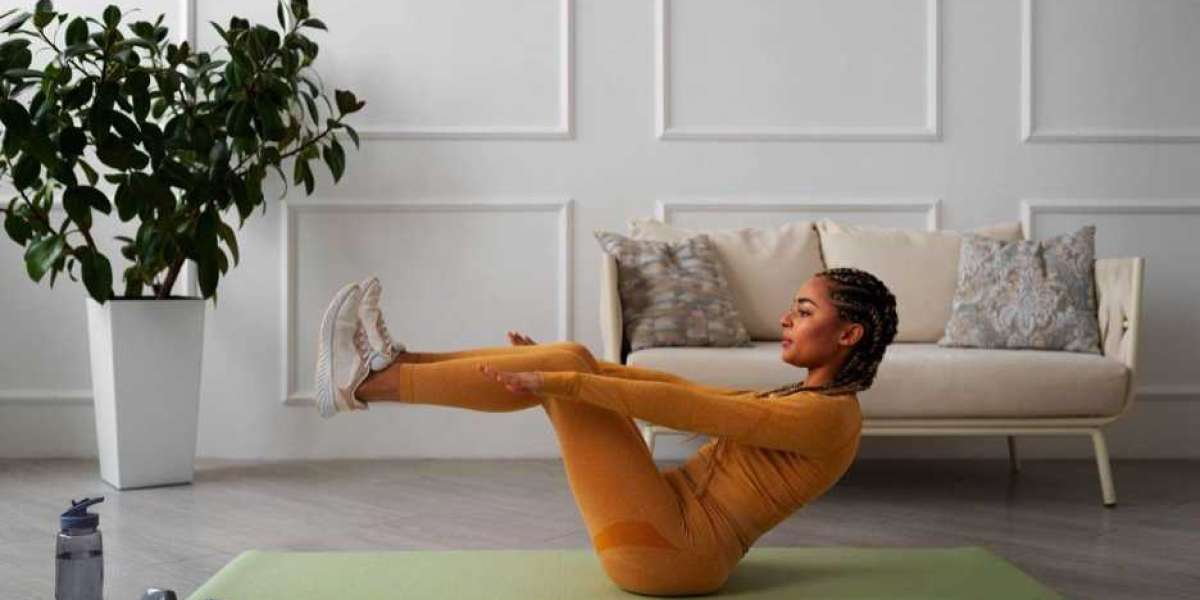
A dedicated wellness room succeeds when it feels intentional but not rigid. Instead of locking the space into one activity, homeowners benefit from designing around how they move through a day or week. Morning workouts, midday stretching, and evening decompression can all happen in the same footprint when the room is organized to shift easily. This approach reduces the mental friction of setting up and tearing down while making wellness feel integrated into daily life.
Designing the Layout for Flow
The layout should feel open at its core, with flexibility around the edges. Keep the center of the room clear so it can accommodate floor exercises, yoga, or light strength training. Along the perimeter, plan zones that quietly support different uses without competing for attention. Clear circulation paths matter more here than in most rooms because the space needs to feel physically and mentally open.
Storage That Disappears When You Don’t Need It
Clutter is the fastest way to undermine a wellness space. Built-in cabinets, wall niches, and closed storage benches allow equipment to stay nearby without being on display. Before committing to storage, think through what you actually use each week rather than designing for every possible gadget.
Well-chosen storage solutions might include:
- Low-profile cabinets that hide weights, bands, and mats
- Vertical wall storage for foam rollers or folded mats
- Dual-purpose furniture that offers seating and concealed storage
- Floating shelves reserved only for a few calming objects
Lighting and Mood Control
Lighting should support energy when you need it and softness when you don’t. Layered lighting gives you that control. Overhead fixtures can provide even illumination for workouts, while dimmable lamps or sconces create a gentler atmosphere for stretching or meditation. Natural light, when available, does double duty by boosting mood and making the room feel less enclosed.
Materials That Balance Performance and Comfort
The materials you choose set the emotional tone of the room. Flooring should cushion joints but still feel stable underfoot, making rubber-backed cork or padded vinyl popular options. Wall finishes benefit from warm, neutral colors that don’t visually fatigue you. Textiles like acoustic panels or thick curtains can quietly improve sound quality while softening the overall feel.
How Financing Can Support a Cohesive Design
Creating a unified wellness room often means investing upfront so everything works together instead of feeling piecemeal. A home equity loan can make that possible by providing a lump sum you can use to cover flooring, built-ins, lighting, and equipment at once. Because this type of loan is secured by your home’s equity, lenders typically look for sufficient equity, solid credit, steady income, and a manageable debt-to-income ratio. Many people start by comparing thebest home equity loan rates to understand what fits their renovation goals and budget.
Design Choices That Let the Room Evolve
Before construction begins, it helps to map out how the room should adapt over time. Wellness needs change, and the room should be ready for that shift without major rework.
To prepare the space for long-term use, consider the following:
- Define three primary uses the room must support
- Prioritize open floor space over fixed installations
- Choose storage that can be reconfigured or expanded
- Install lighting on separate dimmers for different moods
- Leave wall space open for future equipment or décor
How One Room Can Serve Multiple Needs
The table below shows how a single wellness room can shift throughout the day without physical changes.
Time of Day | Primary Use | Simple Adjustment |
Morning | Fitness and movement | Bright lighting, open floor |
Afternoon | Recovery and mobility | Soft lighting, mats out |
Evening | Relaxation and calm | Lamps only, minimal equipment |
FAQs for Homeowners
Before starting a remodel, many homeowners want clarity on costs, design trade-offs, and long-term value.
Do I need a large room for a multipurpose wellness space?
No, thoughtful design matters more than size. A modest spare bedroom or finished basement area can work well if the layout stays open. The key is flexibility rather than square footage.
Will exercise equipment ruin the calming feel of the room?
It doesn’t have to. When equipment is stored out of sight or chosen for a neutral look, the room can stay visually calm. Storage planning is what makes the difference.
Is it better to hardwire lighting or rely on lamps?
A combination works best. Hardwired fixtures provide reliable, even light, while lamps add warmth and flexibility. Together, they allow the room to shift moods easily.
How durable do materials really need to be?
Durability matters because wellness rooms see more movement than typical living spaces. Floors and finishes should handle sweat, impact, and frequent cleaning. Comfort and resilience should be balanced.
Does a wellness room add resale value?
While it may not be labeled as such in a listing, flexible, well-finished spaces appeal to buyers. Rooms that can adapt to different lifestyles tend to photograph and show better. That versatility often translates into broader buyer interest.
Can this type of remodel be done in phases?
Yes, but a clear plan is essential. Even if you build in stages, design the full vision upfront. That approach prevents costly changes later.
In Closing
A multipurpose wellness room works because it respects how homeowners actually live. Instead of chasing trends or single-use solutions, it offers a calm, adaptable environment that supports movement, recovery, and rest. With smart layout decisions and intentional materials, one room can quietly elevate daily well-being. The result is a space that feels less like a project and more like a habit you’re happy to keep.



0 Comments