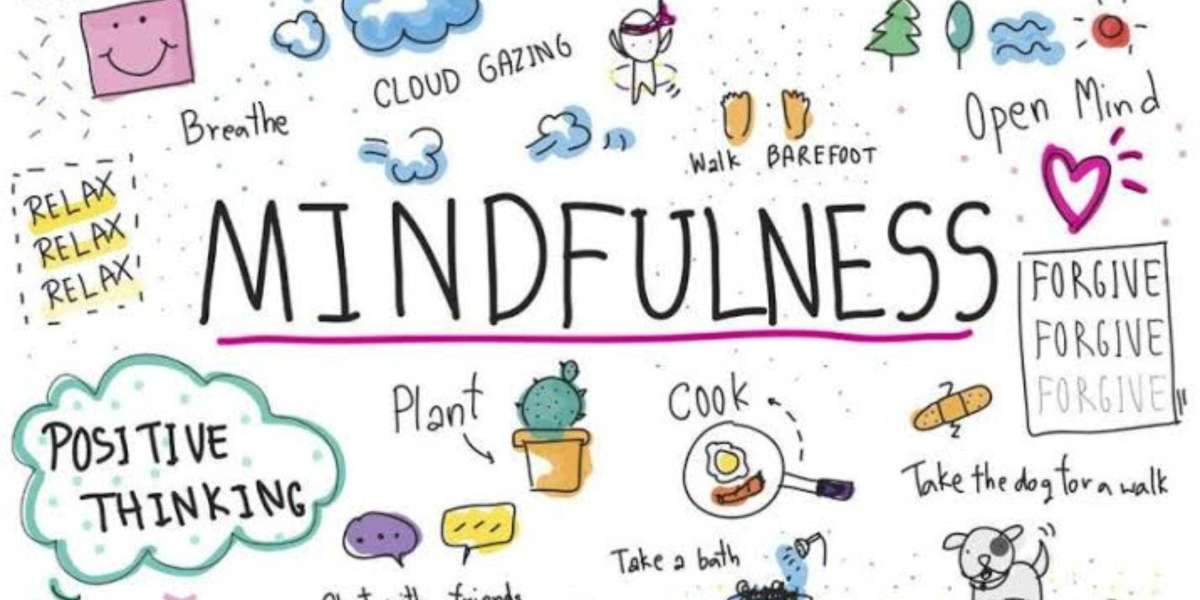

Quick Summary: Simple Mindfulness Practices
- Try mindful breathing exercises to settle your mind and reset during everyday moments.
- Start gratitude journaling to notice what is going well and boost daily perspective.
- Practice mindful eating habits by slowing down and paying attention to taste and fullness.
- Do a body scan meditation to release tension and reconnect with how your body feels.
- Take a simple digital detox to reduce distractions and create space for calm focus.
What Mindfulness Really Means in Daily Life
It helps to define mindfulness clearly first.
Mindfulness is paying attention to what is happening right now, without instantly judging it. The framework is simple: notice your internal dialogue, add a steady gratitude habit, then follow a guide that helps you repeat the new pattern until it sticks.
This matters because your thoughts often drive your mood, choices, and stress level more than the situation does. Evidence suggests mindfulness works as a well-being tool, with mindfulness-based interventions having the strongest effects among psychological approaches. Gratitude supports the same direction, and patients who underwent gratitude interventions experienced greater feelings of gratitude, better mental health, and fewer symptoms of anxiety and depression.
Picture a tense morning commute. You catch the thought, “Today is going to be a mess,” label it as a thought, then add one grateful detail like a safe car or a warm drink. Your guide might be three breaths, one gratitude line, and one kinder reframe.
When you pair mindfulness with positive mindset practices, you don’t need perfect conditions, ordinary moments become enough to practice, reset, and move on.
Build Mindfulness Into Ordinary Moments
This is where mindfulness gets easy and real.
This process helps you practice mindfulness without adding “one more thing” to your day, by attaching simple exercises to routines you already do. It matters because small, repeatable moments of attention can lower stress and help you feel more steady, even when life is busy.
- Step 1: Pick two “anchors” you already do daily Choose two reliable moments like brushing your teeth, making coffee, or washing your hands. Your goal is consistency, not duration, so aim for 30 to 60 seconds each time. When you connect mindfulness to something automatic, you stop needing a perfect schedule to keep going.
- Step 2: Use a short breath reset at each anchor At your anchor moment, do the 3-step mindfulness exercise by noticing what’s happening, taking a few intentional breaths, then widening your awareness to your body and surroundings. Keep it gentle: you are training attention, not forcing calm. This gives your mind a quick “reset” before it runs away with the next thought.
- Step 3: Turn one meal or snack into mindful eating Pick one bite to do slowly, noticing texture, temperature, and flavor before you swallow. When your mind wanders, simply return to the next bite without scolding yourself. This builds the skill of coming back on purpose, which is the core of mindfulness.
- Step 4: Practice listening without rehearsing your reply In one conversation a day, decide that your only job is to understand the other person for 30 seconds. Feel your feet, relax your jaw, and when you catch yourself planning your response, return to the speaker’s words and tone. This reduces reactive spirals and makes everyday relationships a surprisingly strong practice space.
- Step 5: Add a movement option you actually enjoy Choose a short, low-pressure movement practice like a 5-minute stretch, a beginner yoga flow, or a few tai chi-style slow weight shifts. Let your attention follow sensations, balance, and breathing, since mindfulness meditation training may cultivate interoceptive awareness. This works well on days when sitting still feels impossible.
Small moments, repeated often, turn mindfulness into something you live instead of something you schedule.
Habits That Make Mindfulness Stick
Try these small rituals to keep it going.
Mindfulness thrives when it’s repeatable, not heroic. These habits give you a simple cadence to follow, so attention becomes a skill you build over time, even on messy weeks.
Two-Minute Arrival Pause
- What it is: Pause at a doorway, feel your feet, and take three slow breaths.
- How often: Daily, every time you arrive home.
- Why it helps: It stops autopilot and helps you shift into your next role.
Noticing Walk
- What it is: Walk for five minutes naming five things you see, hear, and feel.
- How often: 3 times per week.
- Why it helps: It trains attention in motion and lowers mental clutter.
Mindful Phone Check
- What it is: Before unlocking, ask “What do I need right now?”
- How often: Daily, first three pickups.
- Why it helps: It reduces compulsive scrolling and strengthens intentional choice.
Weekly Practice Review
- What it is: Note what worked, then choose one cue for next week.
- How often: Weekly, 10 minutes.
- Why it helps: Habit formation varies widely, so reflection keeps you patient.
Longer Sit, When You Can
- What it is: Do a 20 minutes for the mind to begin to settle session in a quiet spot.
- How often: Once weekly.
- Why it helps: It builds depth and steadiness beyond quick resets.
Pick one habit, keep it tiny, and adjust it to fit your family.
Build Confidence by Keeping One Mindfulness Promise for a Week
When life stays busy, mindfulness is usually the first thing to slip, even when it’s the very thing that would steady the day. The way through is simple: choose a gentle, realistic approach that favors small cues, honest mindfulness reflection, and consistency over intensity, so maintaining mindfulness habits feels doable. With repetition, attention comes back faster, stress has less room to run the show, and confidence in mindfulness practice grows from real evidence. Pick one practice, keep it small, and repeat it daily for seven days. Choose one mindfulness habit, set a tiny daily cue you’ll naturally notice, and keep the promise for a week as a supportive mindfulness closure. That quiet follow-through builds resilience you can lean on in work, relationships, and your own health.



0 Comments
Easy Games 8 w
Reading about adding daily mindfulness to your routine on FitLynk offers fantastic mental wellness inspiration! Cultivating present-moment awareness, reducing stress levels, and maintaining long-term emotional balance are definitely not https://easy-games.io/, but simple daily habits like this make achieving overall personal growth so achievable!